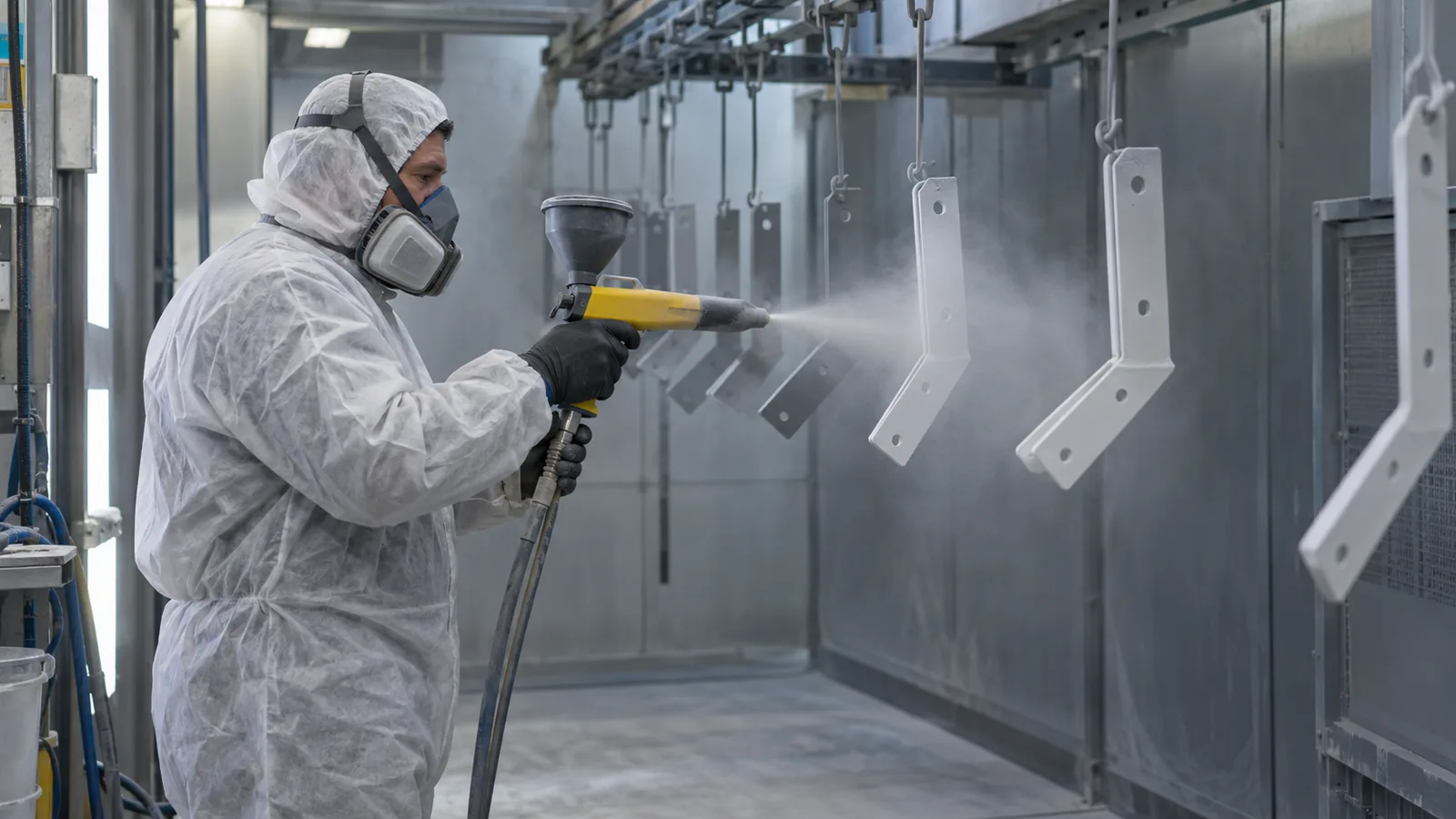
What a buyer reviews in a coating shop
| Line capacity | Conveyor speed, oven size, booth count and how many shifts you run against what the line could handle. |
|---|---|
| Pretreatment and permits | How parts are cleaned and what environmental permits, inspections and waste records go with it. |
| Customer mix | Production work for manufacturers versus walk in jobs, and how much each top customer pays you. |
| Pricing method | How you quote by rack, part or square foot, and how fast you can pass along powder and gas costs. |
Capacity and Where the Money Is
Most coaters around Detroit earn their steady money from production work: brackets, frames, housings and fixtures for manufacturers that send parts every week. Custom and walk in jobs add margin but come and go.
Buyers want to see how full the line runs, which customers fill it, and how much more it could handle with another shift.
Environmental Records Matter
Finishing shops use chemicals to clean parts before coating, and they handle waste. A buyer will ask what permits you hold, what inspections found, and whether anything is open with a regulator.
Clean, organized records make this a short conversation. Gaps make lenders nervous and can slow a deal by weeks. Some permits may need to be reissued to a new owner, so ask your attorney early.
Your Customers' Quality Demands
Auto and industrial customers often require specific finish tests and documentation. A shop with a working quality system, written procedures and a record of passing audits is worth more.
- Rejection and rework rates by customer
- Any customer audits and their results
- Who on staff handles quality questions
Equipment and the Building
Ovens, booths and conveyors are expensive to move. Most buyers want the shop to stay where it is, so the lease or the building matters. If you own the property, know what a market rent would be.
A long lease with renewal options reassures a lender. A month to month arrangement worries one, and it can lower what a buyer will pay.
Also list any upgrades you made recently, like a new oven burner or booth filters, so the buyer sees what will not need replacing soon.
What It Could Sell For
Shops of this size usually sell as asset sales priced on owner cash flow. Steady production customers and clean environmental records push the price up. Buyers will dig into all of it, as our due diligence page explains.
Before the money is released at closing, Michigan expects proof your state taxes are paid. See the Form 5156 tax clearance guide.
Want a number? Send the short form or call (313) 555-0152.